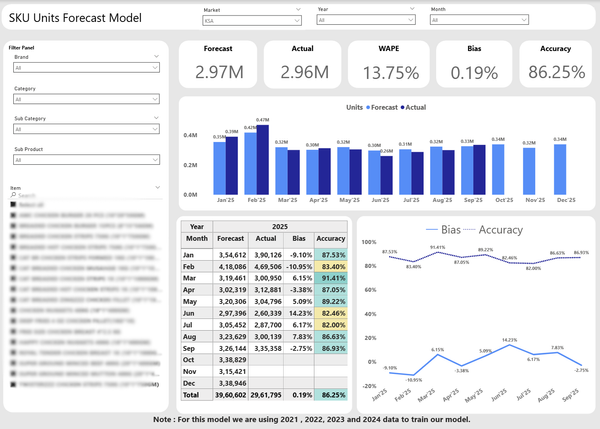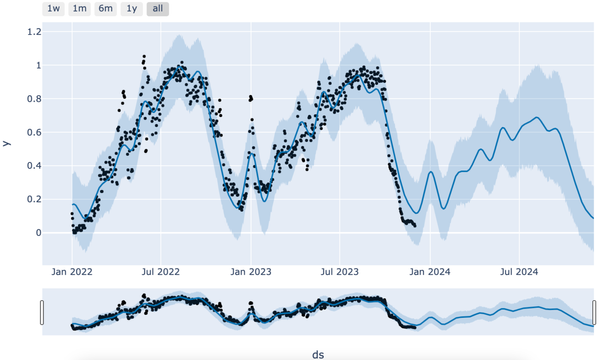
Quick Service Restaurants (QSRs) operate in a fast-paced, high-volume environment where accurate sales forecasting is crucial for efficiency, profitability, and growth.
Weekly sales cycles, seasonal demand shifts, and marketing promotions all play a vital role in determining revenue patterns. Navtics, an AI-powered sales forecasting solution, helps QSRs harness the power of data-driven insights to optimize operations, reduce waste, and maximize profitability.
Understanding QSR Sales Patterns
QSRs experience unique demand fluctuations influenced by several key factors:
- Weekly Cycle Seasonality: Sales tend to peak during weekends, lunchtime rushes, or specific meal hours. Understanding these trends helps with staffing and inventory management.
- Marketing Promotions: Limited-time offers, discounts, and loyalty programs drive demand but also require careful planning to avoid overstocking or shortages.
- Market Factors: External conditions such as local events, economic trends, and weather patterns can heavily impact footfall and online orders.
- Growth Strategies: Expanding into new locations, launching delivery partnerships, or introducing new menu items all require data-backed decision-making to ensure profitability.
How Navtics Transforms QSR Decision-Making
Navtics leverages advanced AI algorithms to analyze historical sales data, external market signals, and promotional impacts, allowing QSRs to make precise, data-driven decisions. Key benefits include:
- Accurate Demand Forecasting: Optimize ingredient procurement, reduce food wastage, and streamline kitchen operations.
- Marketing Optimization: Evaluate the impact of promotions in real-time and adjust strategies for maximum ROI.
- Dynamic Staffing Models: Predict peak hours to improve workforce management, reducing labor costs and ensuring excellent customer service.
- Expansion & Growth Planning: Assess the viability of new locations and product launches with predictive analytics tailored to the QSR industry.
Modeling Sales Forecasting for QSRs
Navtics utilizes multiple factors to refine QSR forecasts:
- Historical Sales Data: Identifies recurring patterns in daily and weekly sales.
- External Regressors: Incorporates local economic data, weather conditions, and regional events.
- Promotional Impact Analysis: Measures the influence of discount campaigns, holiday specials, and loyalty programs on sales.
- Seasonality Adjustments: Detects and adapts to cyclical trends, ensuring reliable short-term and long-term forecasting.
Proven Value of AI-Driven Forecasting in QSRs
Studies show that AI-based sales forecasting can significantly impact business outcomes:
- According to McKinsey & Company, AI-driven demand forecasting can reduce forecasting errors by up to 50%, leading to better inventory management and reduced waste.
- A Harvard Business Review study found that predictive analytics improves sales and marketing ROI by over 20% by optimizing promotional strategies.
- Research by Deloitte indicates that data-driven decision-making enhances operational efficiency, improving profitability by up to 15% in fast-paced industries like QSR.
- Case studies from leading QSR brands show that AI-powered forecasting solutions lead to a 30% reduction in food waste and a 10% increase in sales predictability, ensuring a more efficient supply chain.
Stay Ahead with Navtics
With the dynamic nature of the QSR industry, having a reliable forecasting tool like Navtics ensures that businesses stay agile and data-driven. By leveraging AI-powered insights, QSRs can reduce operational inefficiencies, maximize profitability, and drive sustainable growth.
Ready to revolutionize your QSR’s sales forecasting? Netision experts are here to help you.