Large Language Models (LLMs) are rapidly evolving from research curiosities to essential building blocks for a wide range of applications. Their ability to understand, generate, and manipulate human language at scale is unlocking unprecedented opportunities for innovation across various industries. This blog post will explore why LLMs are poised to become a key component of the upcoming generation of applications, transforming how we interact with technology and the world around us.
Natural Language as the New Interface
For decades, interacting with computers has required learning specific commands, syntax, and interfaces. LLMs are changing this paradigm by enabling natural language interaction. Users can now communicate with applications using everyday language, making technology more accessible and intuitive. Imagine:
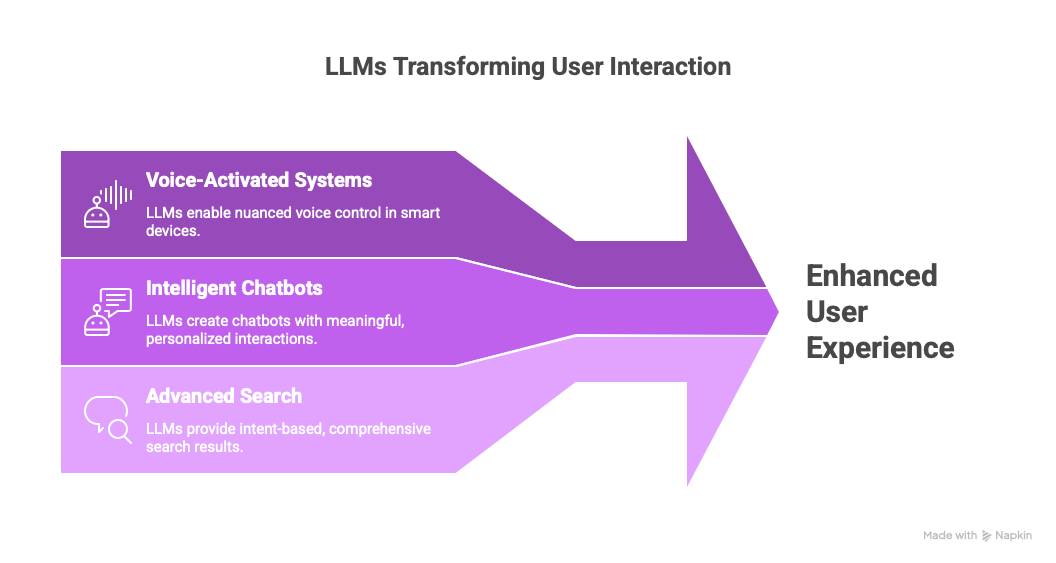
- Voice-activated everything: From controlling smart home devices to managing complex workflows, LLMs are powering voice assistants that understand nuanced requests and provide intelligent responses.
- Chatbots that actually understand: Forget the frustrating canned responses of the past. LLM-powered chatbots can engage in meaningful conversations, provide personalized support, and resolve complex issues.
- Search that goes beyond keywords: LLMs can understand the intent behind search queries, providing more relevant and comprehensive results than traditional keyword-based search engines.
Automation and Efficiency Gains
LLMs are not just about improving user experience; they also offer significant opportunities for automation and efficiency gains. By automating tasks that traditionally require human language skills, LLMs can free up valuable time and resources. Consider these examples:
- Content creation at scale: LLMs can generate high-quality content for various purposes, from writing marketing copy to drafting legal documents.
- Automated summarization: LLMs can quickly summarize lengthy documents, articles, and reports, allowing users to extract key information efficiently.
- Code generation and debugging: LLMs can assist developers by generating code snippets, identifying bugs, and suggesting solutions.
Personalization and Customization
LLMs can analyze vast amounts of data to understand individual user preferences and tailor experiences accordingly. This level of personalization is transforming how applications are designed and delivered.
- Personalized recommendations: LLMs can analyze user behavior and preferences to provide highly relevant recommendations for products, services, and content.
- Adaptive learning: LLMs can personalize educational content and learning paths based on individual student needs and progress.
- Customized user interfaces: LLMs can adapt user interfaces to individual preferences, making applications more intuitive and user-friendly.

Overcoming Challenges and Looking Ahead
While LLMs offer tremendous potential, there are also challenges to overcome. Issues such as bias, misinformation, and ethical considerations need to be addressed to ensure responsible development and deployment.
Despite these challenges, the future of LLMs is bright. As models continue to improve and become more accessible, they will undoubtedly play a key role in shaping the next generation of applications. From simplifying user interactions to automating complex tasks and personalizing experiences, LLMs are poised to revolutionize how we interact with technology and the world around us. The era of intelligent, language-powered applications is just beginning.
At Netision, our experts are at the forefront of this AI revolution. Whether you're looking to integrate LLMs into your existing workflows, develop intelligent applications from the ground up, or navigate the ethical and technical complexities of language models, we're here to guide you every step of the way.
Let Netision help you harness the true power of LLMs and build the future—today.