A Game Changer for D2C
Let's face it, businesses can no longer afford fragmented customer experiences or siloed data systems. The shift toward omnichannel engagement—across web, mobile, social media, in-store, and marketplaces—demands a unified view of data. This is where the Omnichannel Lakehouse becomes a powerful cornerstone for any business looking to win in the D2D (Data-to-Decision) era.
Welcome to the future of data-driven growth. Welcome to the Omnichannel Lakehouse.
What is an Omnichannel Lakehouse?
An Omnichannel Lakehouse blends the scalability of a data lake with the performance and structure of a data warehouse—designed to ingest, store, process, and analyze data from every customer touchpoint.
Think of it as a single brain that understands your entire business: from Instagram ad impressions and eCommerce clicks to in-store purchases, WhatsApp conversations, loyalty redemptions, and delivery timelines.
It breaks down silos. It creates clarity. It empowers decision-makers.
Why Your Business Needs It
1. Unified Customer View
Today’s customers interact with brands across multiple channels—TikTok, Shopify, WhatsApp, Amazon, your own website, and more. The Omnichannel Lakehouse captures every data point into a single source of truth, helping you:
- Map complete customer journeys
- Improve personalization
- Identify high-value segments
2. Real-Time Decision-Making
With streaming support and batch ingestion, your data is no longer “yesterday’s news.” This enables:
- Real-time campaign optimization
- Inventory management based on demand signals
- On-the-fly personalization on your app or website
3. Cost Efficiency
Instead of managing multiple warehouses and tools, the lakehouse architecture reduces infrastructure complexity:
- Lower data duplication
- Less storage cost
- Simplified ETL pipelines
4. AI-Ready Infrastructure
With all data centralized and modeled, it’s easier to plug in AI/ML models for:
- Churn prediction
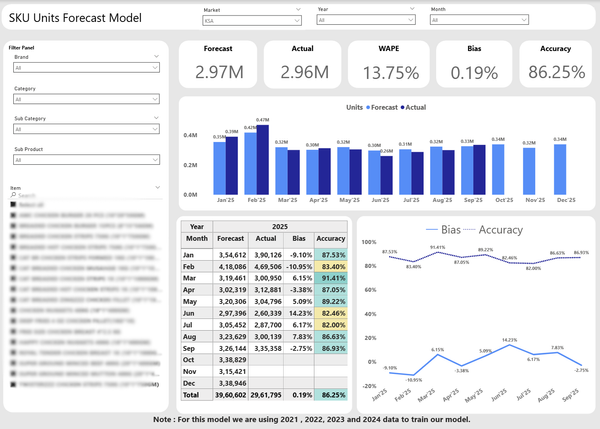
- Sales forecasting
- Campaign performance optimization
- Pricing intelligence
5. Personalized Omnichannel Experiences
Use D2D insights to automate actions across:
- Facebook & Instagram Ads
- Email journeys
- WhatsApp notifications
- Personalized web and app content
Imagine: a customer browsing mango pickles on your site gets an email, then a WhatsApp discount code, followed by a push notification—all orchestrated by your Lakehouse-fed AI engine.
How the D2D Platform Leverages the Lakehouse?
At D2D, we’ve built a modular, scalable Omnichannel Lakehouse to serve brands across FMCG, D2C, QSR, and retail. Our approach includes:
- Data Ingestion Engine: Connects to Shopify, Amazon, Google Analytics, CRM, POS, and more
- Real-Time Sync: Using Airbyte & Kafka for streaming and batch-based updates
- Transformation Layer: Powered by dbt and our AI Agents for cleaning, modeling, and mapping
- Decision Intelligence: Combines ML predictions with business rules to recommend best actions
- Power BI Dashboards: Real-time views for marketing, sales, finance, and operations
Benefits in Action: A Quick Snapshot
| Use Case | Before Lakehouse | After D2D Lakehouse |
|---|---|---|
| Campaign ROI | Fragmented, delayed data | Unified view, daily optimizations |
| Inventory Planning | Static, Excel-based | Real-time demand signals |
| CX Personalization | Rule-based | AI-powered, dynamic |
| Churn Management | Reactive | Proactive with ML triggers |
| Reporting Time | 3–5 days | 5–10 minutes |
Final Thoughts
In a world driven by instant gratification and channel-hopping consumers, businesses can no longer make decisions on stale or scattered data. The Omnichannel Lakehouse isn’t just a trend—it’s a necessity.
At D2D, we help you harness this power with zero fluff. Whether you’re a fast-growing D2C brand, a retail chain, or an enterprise experimenting with AI—we turn your scattered signals into synchronized success.
From source to strategy, and data to decisions — the Omni channel Lakehouse delivers on every front. Backed by Netision experts, we're here to help you turn insights into impact.